

A pest inspection is more than a quick search for live insects. A technician may need to connect what is visible indoors with conditions outside, such as gaps, moisture, food sources, vegetation, or animal access. A free home pest inspection gives homeowners a practical starting point before deciding whether treatment, exclusion, monitoring, or simple property maintenance is appropriate.
The Inspection Starts With What You Have Noticed
Expect the technician to ask where and when activity occurs. Useful details include ant trails near a window, roaches around a kitchen or bathroom, scratching above the ceiling, droppings in a garage, or insects appearing after heavy rain. Photographs and notes about timing can help. A single sign does not always identify the pest, so the inspection is used to confirm what may be causing it.
A Free Home Pest Inspection Covers Likely Trouble Areas
Inside, common inspection points include kitchens, bathrooms, utility areas, garages, storage spaces, windows, doors, and places where plumbing or wiring enters walls. Outside, a technician may examine the foundation perimeter, roofline, vents, landscaping, standing moisture, waste areas, and other potential access points. EPA Integrated Pest Management guidance emphasizes inspection, accurate pest identification, prevention, and monitoring before selecting control measures.
Entry Points and Attractants Matter as Much as the Pest
For rodents and wildlife, an inspection should look beyond droppings or noises to the openings that make entry possible. The CDC recommends checking around doors, utility lines, foundations, attic vents, eaves, soffits, and crawlspaces. Food, garbage, pet bowls, clutter, leaks, and dense vegetation can also help explain why activity keeps returning.
A Little Preparation Makes the Inspection More Useful
Before the appointment, make frequently affected areas easy to reach. Clear enough space under sinks, around utility closets, near garage walls, and beside stored items so the technician can see surfaces and entry points. Avoid wiping away droppings, insect fragments, or other evidence immediately before the visit if it can be left safely undisturbed. Keep pets secured where requested, and mention recent leaks, repairs, deliveries, travel, or landscaping changes that may help explain when the activity began.
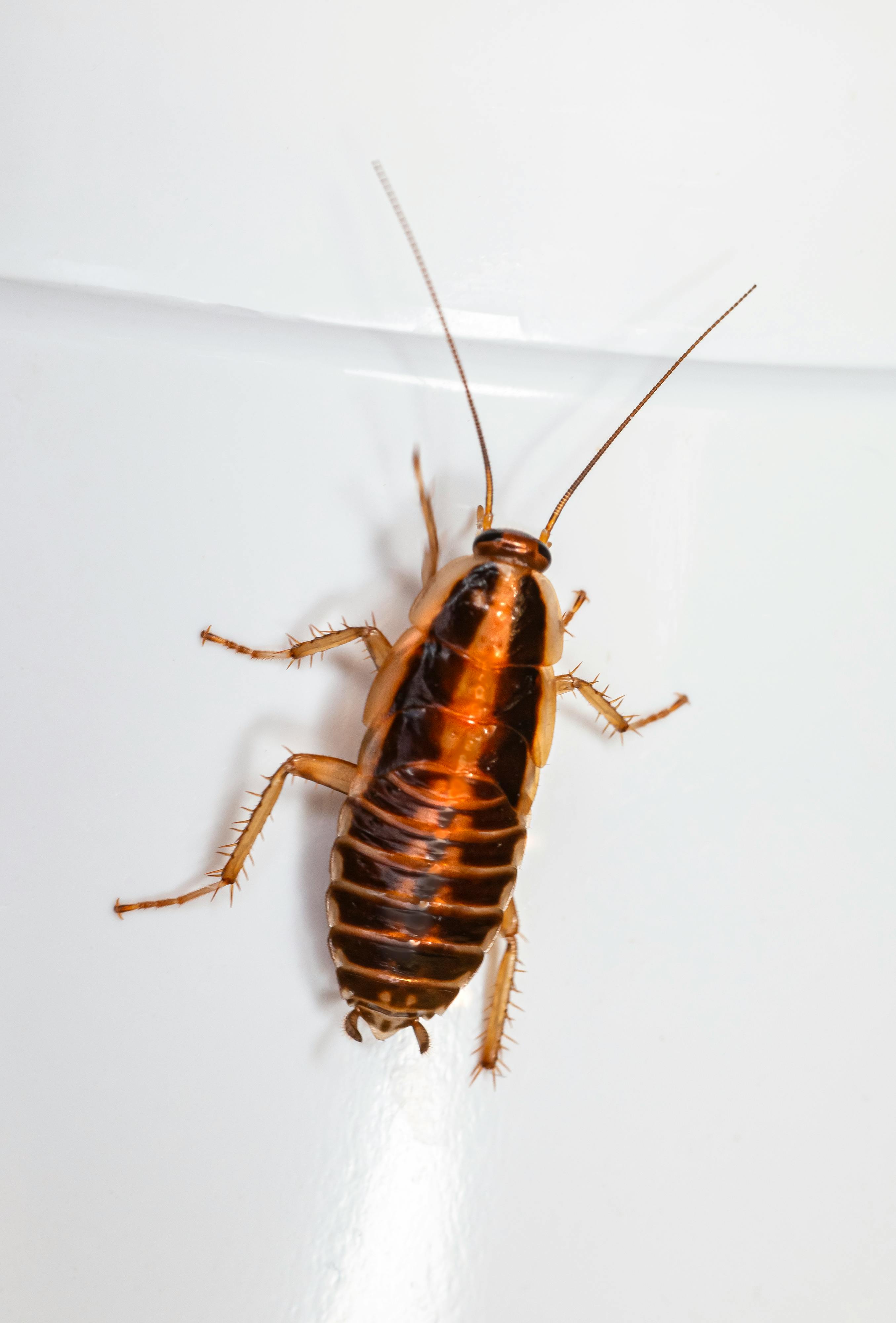
The Findings Should Lead to a Property-Specific Plan
After the inspection, the next step depends on what was found. An insect problem may call for sanitation, exclusion, monitoring, or targeted treatment. Rodent or wildlife activity may require entry-point correction along with professional management. Termite or suspected wood-destroying-organism concerns may require a separate termite or WDO inspection because those services address different evidence and, in some cases, formal documentation.
Schedule a Free Home Pest Inspection
Suncoast Pest Control offers free home and office inspections and services for insects, rodents, wildlife, and termites. If you need pest control in St. Petersburg, FL, we can inspect the property, identify likely problem areas, and explain the options that fit the pest and conditions present. Contact us to arrange an inspection and get a clearer picture of what is happening around your home.