Tampa Bay, SouthWest & SouthEast Florida
Welcome to Suncoast Pest Control’s pest library, your go-to resource for understanding and managing pest issues in St. Petersburg, FL and all the surrounding counties. Our detailed collection of information covers a wide range of common pests, their behaviors, and proven control methods. If you’re dealing with ants, termites, rodents, or other unwanted visitors, our library provides the knowledge you need to protect your home or business. Reach out to us for personalized pest control solutions tailored to your specific needs.
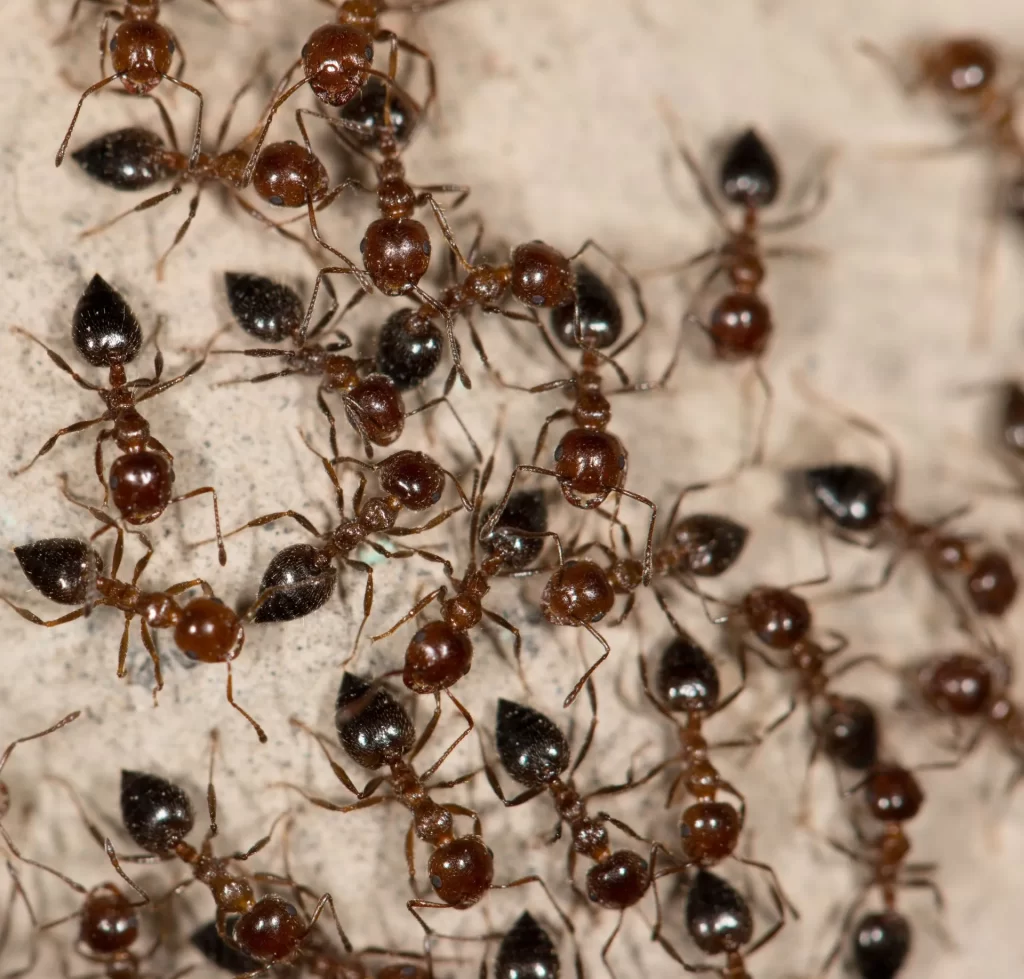
Ants are social insects that often enter in search of food, water, and shelter, and in doing so they can create nests in walls, foundations, or garden soil that may weaken structures or leave unsightly mounds in yards. In Southern Florida, their activity increases from spring through fall as warmer temperatures and higher humidity create ideal conditions for foraging and colony growth, though the subtropical climate allows some activity all year.
Managing infestations typically involves sealing entry points, removing accessible food and moisture sources, and using bait traps to target colonies, while professional pest control may be necessary when nests are large, persistent, or difficult to reach
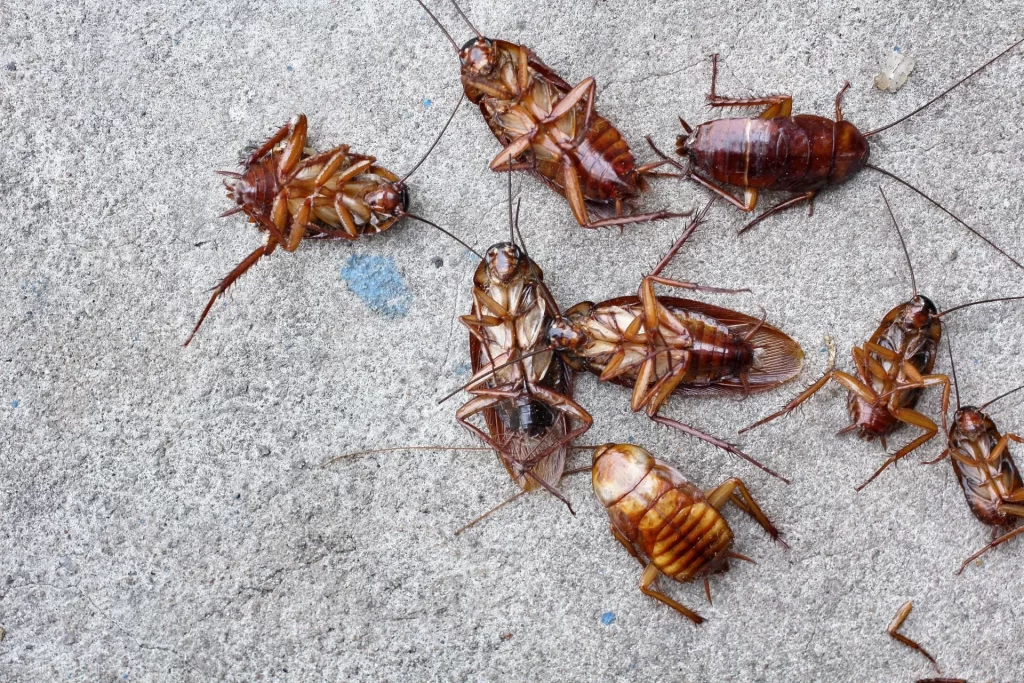
Cockroaches are resilient insects that thrive in dark, damp environments, where they can contaminate food, trigger allergies, and spread diseases. An infestation is often indicated by droppings that resemble black pepper or coffee grounds, a persistent musty odor, and the presence of egg cases. The severity of the problem can be judged by how frequently cockroaches are seen, how large the population appears to be, and how widely they have spread throughout a property. Because infestations can escalate quickly, effective control requires prompt and comprehensive action.
Integrated pest management typically involves sealing entry points, eliminating accessible food and water sources, and applying professional insecticides in a targeted, strategic manner.
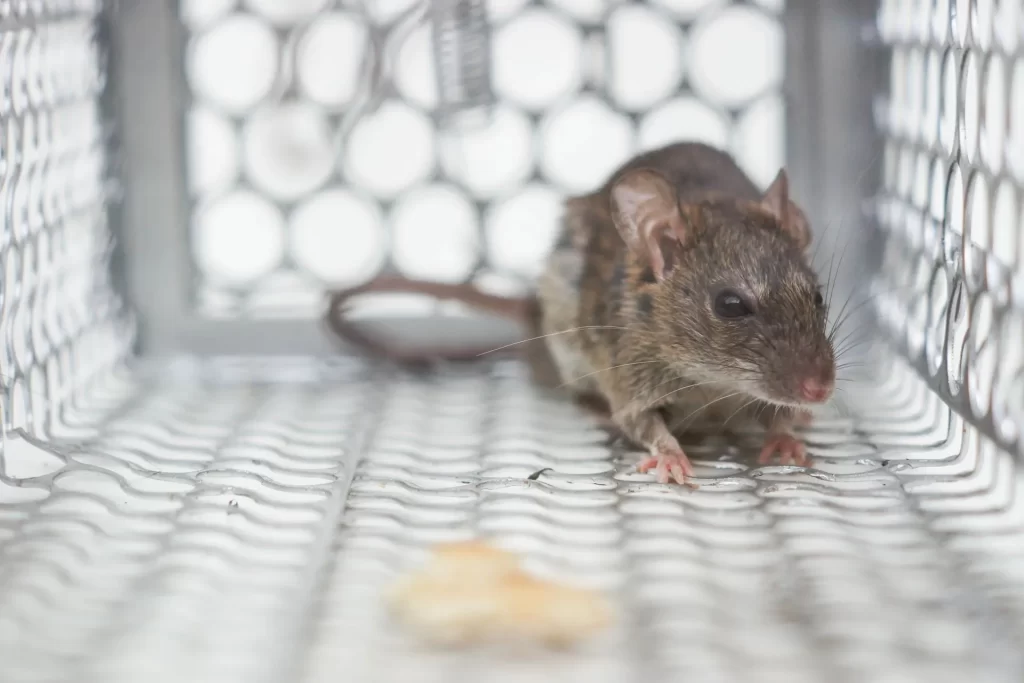
Rodents such as mice and rats can introduce serious health concerns by contaminating food, spreading pathogens, and leaving behind droppings that compromise indoor hygiene. Their constant gnawing on wood, wiring, and insulation can also lead to costly structural damage and even fire hazards. Infestations are often identified through chew marks, small pellet‑like droppings, scratching noises within walls, or nests tucked away in quiet, hidden areas. In Southern Florida, the warm climate and steady availability of food and shelter allow rat populations to thrive year‑round, making ongoing vigilance essential for homeowners and businesses.
Effective rodent management relies on blocking entry points, eliminating accessible food and water sources, and using traps or bait systems to reduce active populations. Maintaining a clean environment and scheduling regular inspections help prevent rodents from re‑establishing themselves and reduce the likelihood of recurring infestations.
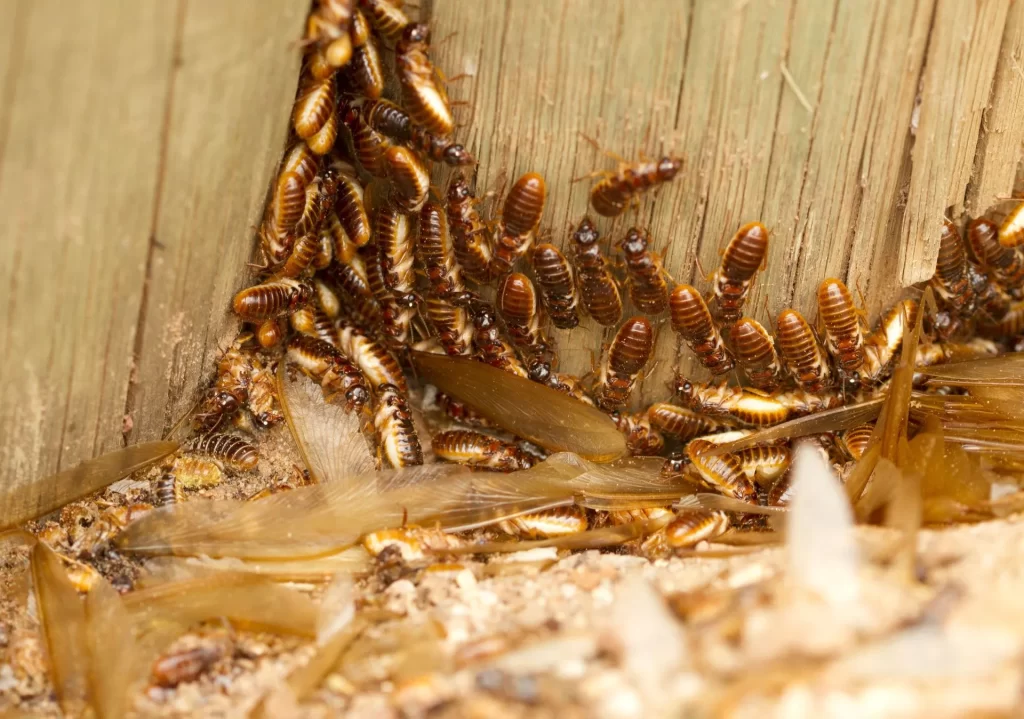
Termites are destructive insects that consume cellulose-rich materials like wood, gradually weakening the structural integrity of homes and buildings. Infestations often reveal themselves through telltale signs such as mud tubes along foundations, wood that sounds hollow when tapped, and piles of discarded wings near entry points. In Southern Florida’s consistently warm and humid climate, termites remain active year‑round, making infestations a constant risk rather than a seasonal concern.
Effective management typically requires a professional inspection, targeted application of termiticides, and preventive steps such as reducing moisture around the property and scheduling routine monitoring.
Like the name suggests, subterranean termites live in the ground. They continuously enter and exit a property to feed on the wood. They can get in through very small cracks in the foundation, or they may build shelter tubes out of soil to travel inside. They are very quick feeders, which means the damage to your property can happen in short order.
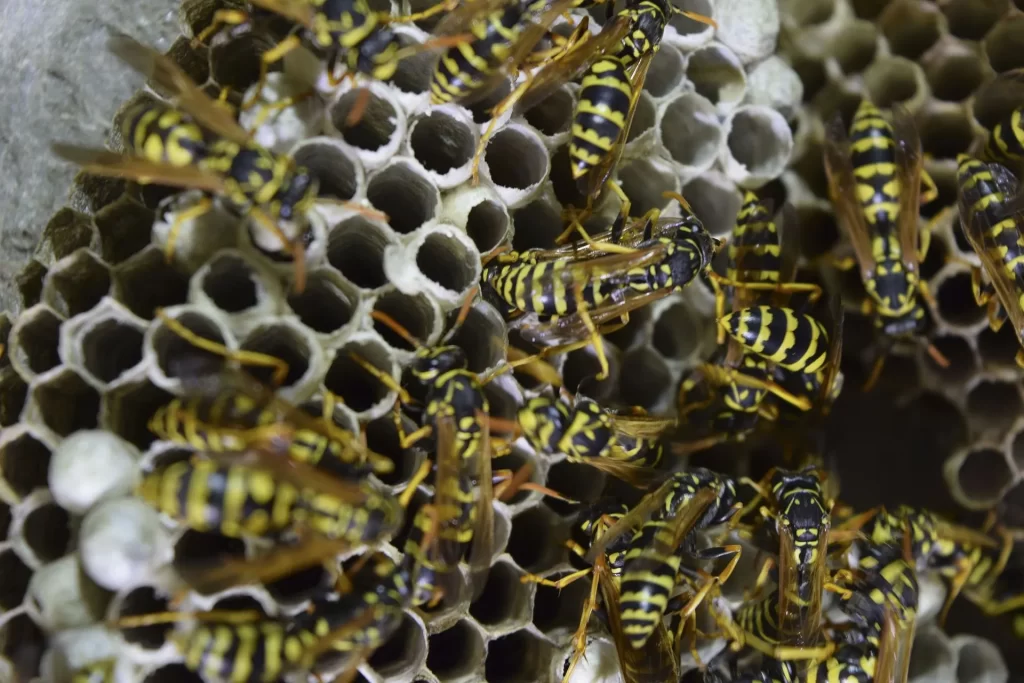
Wasps, hornets, and bees are common stinging insects. While they can be important for the eco-system, they do pose a threat to humans with their stings. These stings can be painful, and some people are allergic to their venom. Nest removal is essential for the safety of your property, and professional pest control is recommended due to the potential danger of these insects.
To prevent infestations, you should seal any entry points, especially during nesting season. It is also recommended to address other things that attract these insects. This can include removing uncovered foods and open sweet drinks from the property.
Southern Florida’s warm, humid climate allows many pests to stay active year‑round, increasing risks to homes and health. Constant moisture and heat create ideal breeding conditions, so pest pressures rarely decline seasonally.
Integrated pest management helps keep infestations down by removing hiding spots, sealing entry points, maintaining cleanliness, and using insecticides only when needed. These steps reduce pest activity while limiting environmental impact.
Fruit flies feed on decaying organic matter. You can minimize your risk of fruit flies by keeping fruit products fresh and protected, removing garbage daily, and treating sink drains.
Similarly, drain flies feed on decaying organic matter. This includes sewage, plants, fruits, and meats. They are often drawn to the food debris in our sink, hence the name. Adult drain flies live for approximately three weeks and will lay several dozen eggs inside drains. Eggs will typically hatch within 48 hours.
In general, flies are harmless, but they can be very annoying and difficult to control.

Welcome! Enjoy 10% Off
New here? Get 10% off your first purchase when you join our community.