


Florida homes give pests plenty to work with. Warm temperatures extend insect activity, summer rain creates moisture and breeding sites, and dense landscaping can put shelter within inches of doors, windows, rooflines, and foundations. A clean house can still develop ants, termites, mosquitoes, rodents, or wildlife problems because sanitation is only one part of prevention.
The most dependable year round pest defense strategy is layered. It combines inspection, exclusion, moisture control, sanitation, monitoring, and pest-specific treatment when activity crosses the point where home maintenance alone is not enough. That is the basic logic behind Integrated Pest Management (IPM), an approach that starts with correct identification and prevention instead of treating every sighting with the same spray.
This guide explains what homeowners can handle themselves, which warning signs deserve closer attention, and when professional service makes sense. The goal is to make the home harder to enter, less useful as shelter, and easier to inspect when conditions change.
Build a Layered Year Round Pest Defense Plan
Pest pressure changes through the year, but the basic defense stays consistent. Start outside, because many indoor infestations begin with a condition at the perimeter. Walk the property every month or two and look for gaps around doors, utility penetrations, vents, soffits, screens, and plumbing lines. Check whether branches touch the roof, mulch is piled against siding, irrigation wets exterior walls, or stored materials sit directly beside the foundation.
Then look for the three things nearly every pest needs: food, water, and shelter. Indoors, that may mean crumbs under appliances, pet food left overnight, a slow plumbing leak, cardboard stored in a humid garage, or clutter that creates undisturbed hiding places. Outdoors, it may be standing water, overflowing gutters, dense groundcover, open trash, fallen fruit, or a shed with gaps along the base.
Florida weather makes these checks more important during the wet season. In West Central and Southwest Florida, the National Weather Service rainy-season guidance places the main thunderstorm season from roughly mid-May into October. More rain does not automatically create an infestation, but it can leave more water around structures, increase mosquito breeding opportunities, and drive some pests toward drier indoor areas.
Make the Exterior Harder to Enter
Small repairs often do more for prevention than repeated reaction. Replace worn door sweeps, repair torn screens, seal gaps around pipes and cables, and close openings along fascia, soffits, roof returns, and garage edges. Keep vegetation trimmed back so branches do not form bridges to the roof or walls.
Water management deserves the same attention. Correct leaks, improve drainage where water sits beside the foundation, keep gutters clear, and adjust irrigation so sprinklers are not constantly wetting walls. Empty buckets, toys, plant saucers, tarps, and other containers after rain. These steps reduce conditions that favor mosquitoes, cockroaches, ants, termites, and moisture-related wood problems at the same time.
Inside, vacuum food debris from under appliances, store pantry goods and pet food in sealed containers, take trash out regularly, and reduce stacks of paper and cardboard. Prevention works best when the home gives pests fewer places to feed and hide.
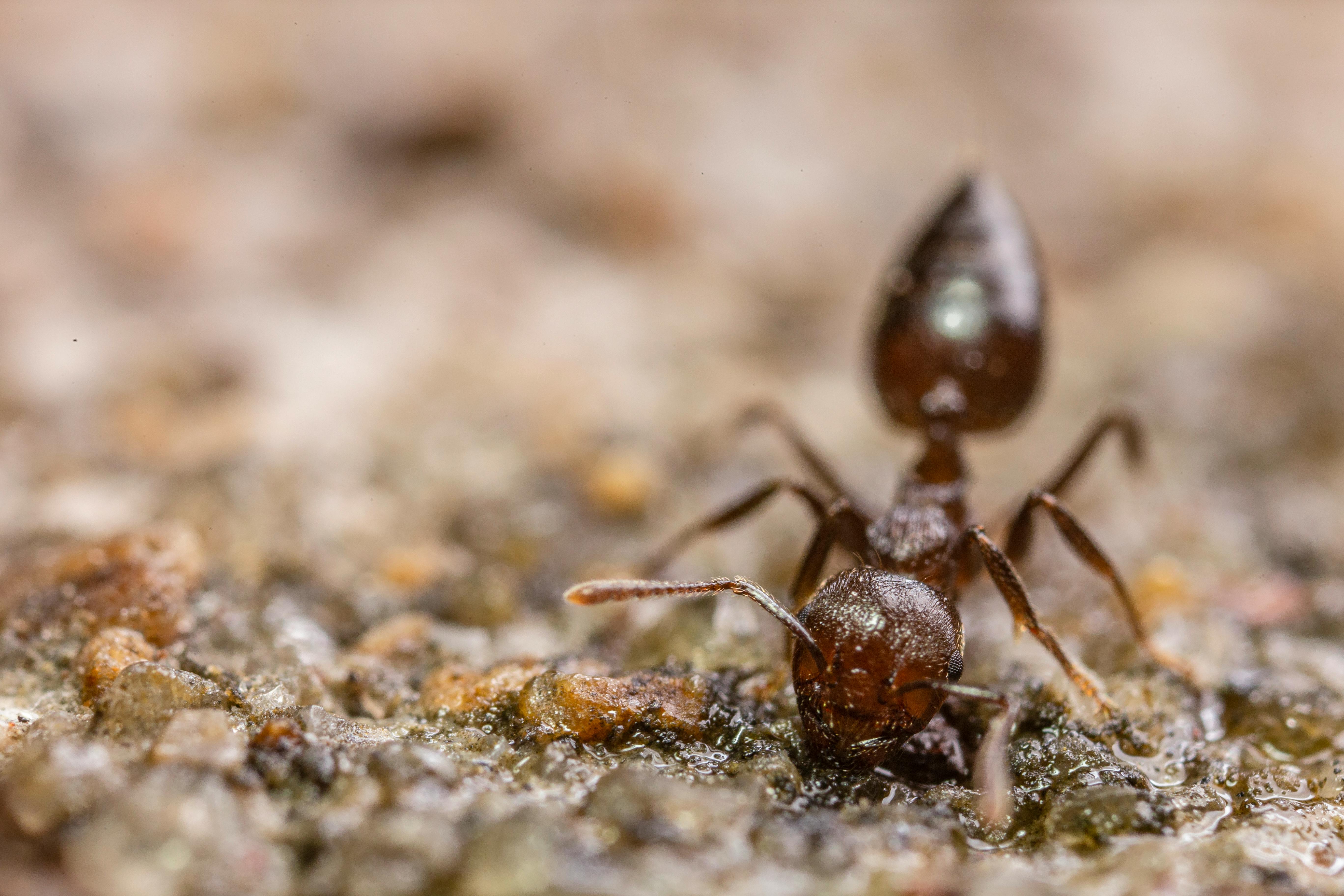
Control Ants, Cockroaches, Spiders, and Silverfish by Fixing the Conditions Around Them
Ant trails on a counter, a palmetto bug in the bathroom, or silverfish near stored paper may look like separate problems, but moisture and access often connect them. Ants may follow plumbing lines or small exterior gaps. Larger outdoor cockroaches can move through doors, drains, utility openings, or poorly sealed exterior areas. Silverfish favor humid spaces and paper-based materials. Spiders often appear where other insects are already providing food.
For a light, isolated problem, the homeowner response should begin with cleaning, drying, sealing, and monitoring. Avoid spraying visible ants indiscriminately when the colony location is unknown, and do not assume one cockroach means the same species or treatment strategy as another. German cockroaches, for example, are typically an indoor infestation problem, while some larger Florida cockroaches are more closely associated with outdoor moisture and harborage.
When activity is recurring, widespread, or difficult to locate, professional inspection can identify where pests are traveling and which control method fits the species. Suncoast also offers a once-a-year maintenance program specifically covering roaches, ants, spiders, and silverfish. Its published program includes targeted crack-and-crevice care, ant and roach gel bait in cabinetry, selected interior and exterior treatment areas, a foundation treatment, a one-year written warranty, and return trips if needed. That program should not be treated as a blanket plan for termites, mosquitoes, rodents, or wildlife.
Reduce Mosquitoes, Fleas, Ticks, and Stinging-Insect Pressure Outdoors
Mosquito management starts with water. A container does not need to look like a pond to become useful breeding habitat. Check gutters, birdbaths, plant saucers, toys, wheelbarrows, tarps, pool covers, and drainage areas after storms. Water that cannot be eliminated should be managed appropriately rather than ignored. Keep screens in good repair and reduce dense vegetation around frequently used patios and walkways where adult mosquitoes can rest.
Flea and tick prevention is different. Pets can move these pests between the yard and home, while wildlife may support outdoor populations. Keep pet resting areas clean, follow veterinary prevention advice, manage overgrown vegetation, and address rodent or wildlife activity. Treating only the animal or only the carpet can miss part of the life cycle.
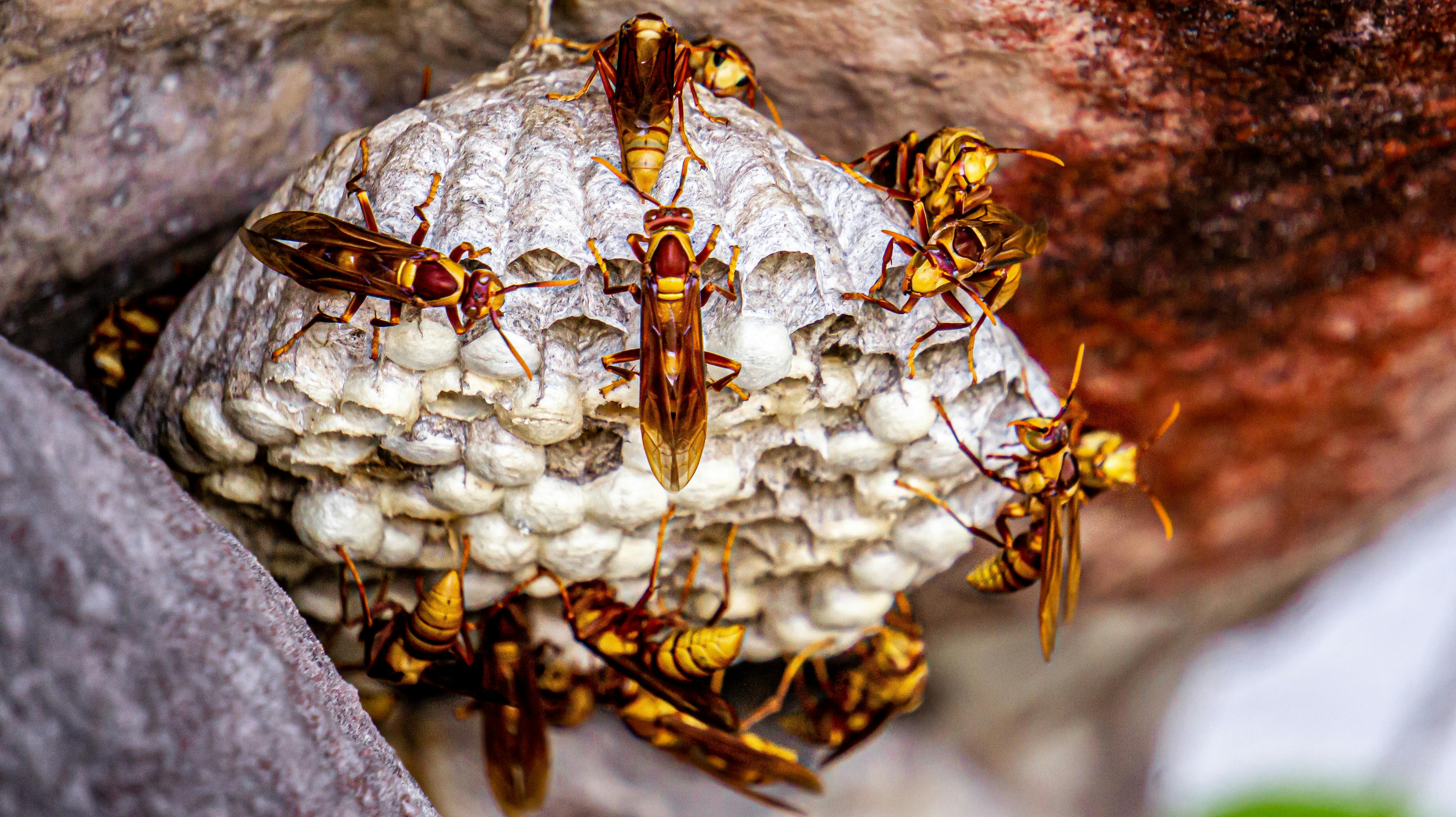
Bees and wasps deserve identification before action. A nest over a doorway or in a wall void creates a different risk from pollinators simply visiting flowers. Do not block an active wall opening without understanding what is inside, and avoid disturbing a nest if anyone nearby has a history of severe sting reactions. Professional removal is appropriate when the nest location, insect behavior, or access makes DIY work unsafe.
Treat Bed Bugs as a Hitchhiking Pest, Not a Cleanliness Problem
Bed bugs usually arrive on luggage, furniture, clothing, or belongings rather than entering through a foundation gap. Watch for live bugs, shed skins, dark spotting, or repeated bites, but remember that bites alone cannot confirm the pest. Inspect mattress seams, bed frames, upholstered furniture, and nearby cracks when there is a credible reason for concern.
Do not respond by spraying every surface or throwing furniture into the street. Vacuuming, reducing clutter, laundering and drying appropriate items, encasements, monitoring devices, and carefully selected treatments can all play roles in a larger plan. A professional inspection can confirm what is present before treatment begins.
Protect the Structure From Termites and Other Wood-Destroying Organisms
Termite prevention is one area where Florida homeowners should resist one-size-fits-all advice. Subterranean termites live and forage in association with soil. They can enter through foundation cracks, construction joints, plumbing penetrations, and other concealed routes. UF/IFAS guidance on subterranean termites notes that concrete slabs can crack or shrink away from foundation walls, creating possible access routes to wood above.
Drywood termites behave differently. They live within the wood they infest and do not require soil contact, which means a soil barrier designed for subterranean termites does not solve a drywood infestation. Drywood activity may produce small piles of hard fecal pellets beneath kick-out holes, while subterranean activity is more often associated with mud shelter tubes and soil-linked access. Either sign deserves proper identification because treatment depends on the termite involved.
Homeowners can reduce conducive conditions by correcting leaks, avoiding wood-to-soil contact, keeping irrigation away from walls, removing cellulose debris near foundations, maintaining accessible inspection zones, and repairing exterior openings. If you find suspicious tubes, pellets, damaged wood, swarmers, or discarded wings, avoid tearing apart large areas before an inspection. A professional termite inspection in St. Petersburg, FL can determine whether the evidence is consistent with termites and which control approach fits the structure and species.
A WDO inspection is broader than a termite check. In Florida, wood-destroying organisms can include termites, certain wood-boring beetles, and wood-decaying fungi. Moisture stains, soft wood, hollow-sounding areas, or sticking doors can have non-pest causes as well, so these are reasons to investigate, not proof by themselves.
Seal Rodents Out Before the Problem Grows
Rats and mice often announce themselves through droppings, gnawing, scratching sounds, damaged food packaging, or nesting material rather than a direct sighting. Check garages, attics, cabinets, utility penetrations, roof edges, vents, and areas behind appliances. The CDC rodent-exclusion guidance notes that mice can fit through an opening about 1/4 inch wide, which explains why apparently minor gaps deserve attention.
Seal access with materials appropriate for the opening, protect vents, repair door gaps, trim branches that reach the roof, secure garbage, and remove accessible pet food or birdseed. Traps can be useful in some situations, but placement matters, especially around children and pets. Do not close every exterior opening while an animal may still be trapped inside a wall or attic.
Recurring droppings, attic activity, strong odors, damaged wiring, or uncertainty about entry points are good reasons to move beyond DIY control. Professional rodent and wildlife management can combine inspection, removal or control, and exclusion recommendations rather than focusing only on the animal currently visible.
Handle Bats, Squirrels, Raccoons, and Other Wildlife as an Exclusion Problem
Wildlife in an attic or wall void requires a different mindset from insect control. Bats, squirrels, raccoons, and opossums can use roof gaps, damaged soffits, vents, chimneys, or construction openings. The useful question is not only how to get the animal out, but how it entered and whether young animals or additional occupants are present.
Avoid grabbing or cornering wildlife. Do not seal a suspected entry hole until the situation has been assessed, because trapping an animal inside can create a larger problem. Professional wildlife work may involve inspection, appropriate removal or exclusion, and repair recommendations. If a person or pet has direct contact with a bat or other potentially rabid mammal, contact the appropriate medical or veterinary professional.
Use Pesticides Carefully Around Children and Pets
DIY products can have a place in pest management, but more product is not better. Read the entire label, use only products labeled for the pest and location, follow mixing and application directions, and respect re-entry or ventilation instructions. Keep children, pets, toys, bedding, food, and water bowls away from treatment areas as directed. Never move an outdoor-only pesticide indoors or combine products unless the labels specifically allow it.
“Natural” is not a substitute for reading the label or evaluating risk. Household remedies may still irritate people or animals and may not control the pest that is present. If the home includes children, pets, or anyone with particular sensitivities, tell the technician before service so treatment decisions can account for the household.
Use a Simple Florida Pest Maintenance Calendar
Tie prevention to normal home maintenance. In late winter and spring, inspect screens, door sweeps, roof edges, exterior sealant, and irrigation before heavier rain and insect activity. Watch for termite swarmers and discarded wings, but have suspicious insects identified rather than assuming every winged insect is a termite.

During the rainy months, make standing-water checks routine after storms. Keep gutters and drains moving, watch for leaks, and monitor kitchens, bathrooms, garages, and patios for increased ant or cockroach activity. Trim vegetation away from the structure and keep exterior trash areas clean.
In fall, inspect attics, garages, soffits, vents, and utility penetrations for rodent or wildlife access. Florida winters are mild, so continue sanitation, moisture control, and monitoring rather than expecting a true pest “off” season.
Professional maintenance works best when it fills gaps that homeowner upkeep cannot. Suncoast’s once-a-year program is a defined service for roaches, ants, spiders, and silverfish, while termites, mosquitoes, rodents, bed bugs, and wildlife may require separate inspections or pest-specific plans. That distinction is useful because good pest management matches the service to the actual pest instead of assuming one treatment can do everything.
Schedule an Inspection When the Pattern Changes
A pest near an open door is different from repeated sightings in several rooms. The same principle applies to droppings, wings, mud tubes, mosquito pressure, scratching sounds, or wildlife activity. When signs repeat, spread, or return after cleaning, an inspection can reduce guesswork.
If you need pest control in St. Petersburg, FL or service elsewhere in Suncoast Pest Control’s Florida coverage area, we can inspect the property, identify the pest or conducive conditions, and recommend an approach suited to what is actually happening. Contact us to schedule an inspection and build a practical year round pest defense plan around your home, your household, and the pest pressure you are seeing.